
Did you know that 100,000 miles or points can transform into $2,000-$10,000 worth of free flights?
Traveling is expensive, there is no way around that. However, for many travelers, earning and redeeming miles and points makes flying in business class or first class an achievable goal while only needing to pay for taxes and fees.
Indeed, Canada stands as the second biggest points market in the world, yet for participants of loyalty programs, earning enough points for meaningful redemptions often feels like a daunting task. The secret? Credit card “welcome bonuses” – large chunks of points offered by banks when you sign up for a new card. Actually, the amount of points you can get just for signing up is significantly higher than what you’ll earn from regular spending over time.
For example, the American Express Business Platinum Card in Canada offers 75,000 Membership Rewards points after spending $7,000 in the first three months. Despite what many people assume, it’s easier to earn miles on the ground than it is in the air!
The first step in your miles and points journey is setting a clear goal – something specific to work toward. Throughout this beginner’s guide, we’ll show you exactly how to start collecting and redeeming miles and points to unlock travel experiences you never thought possible.
What Are Points and Miles?

Travel loyalty programs have created their own unique financial ecosystems where travelers earn and spend specialized currencies known as miles and points. Understanding these currencies unlocks the door to meaningful travel savings and elevated experiences.
The difference between miles and points
Miles and points are both loyalty program reward currencies with similar functions but different applications. The terminology often reflects the program type rather than any fundamental difference in how they work.
Generally, airlines use “miles” for their reward currencies—like Delta SkyMiles, United miles, and American Advantage miles. Notable exceptions include Air Canada’s Aeroplan points and WestJet’s points.
Hotels predominantly use “points” in their systems—including Hyatt points, Hilton Honors points, Marriott Bonvoy points, and IHG Rewards points.
Credit card companies typically issue “points” for their transferable reward currencies (RBC’s Avion Rewards, American Express Membership Rewards, TD Reward points), although Capital One’s flexible travel rewards are called “miles”.
Rather than focusing on terminology, what matters most is whether your rewards are flexible or program-specific. Flexible currencies generally offer more value as they can be transferred to multiple partners, protecting you against individual program devaluations.
How loyalty programs work
Loyalty programs operate as structured marketing strategies designed to encourage repeat business. Members receive exclusive benefits in exchange for their continued patronage.
Most programs follow a similar process:
- Sign up for free by providing basic information
- Earn points or miles through purchases and other activities
- Track accumulated rewards through an account
- Redeem rewards for travel and other benefits
Programs typically fall into several categories. Point-based programs reward customers with points for designated actions like purchases or feedback. Tier-based programs offer increasingly valuable benefits as customers reach higher spending thresholds—motivating continued engagement. Spend-based programs reward customers proportionally to their spending, with airlines increasingly adopting this approach to engage high-value travelers.
Types of rewards: airline, hotel, and bank points
Airline miles are typically earned through airline co-branded credit cards and are tied to specific airlines. Their value varies widely depending on redemption choices, with international business class flights often providing the best value.
Hotel points offer different advantages. While flight tickets always have individual costs, multiple family members can stay in one hotel room, creating better economies of scale. Hotel points also enable access to truly exceptional properties that might otherwise be financially out of reach, like luxury resorts in the Maldives.
Bank points (also called transferable points) are often the most versatile and valuable. Programs like American Express Membership Rewards allow transfers to multiple airline and hotel partners, offering protection against individual program devaluations. These transferable currencies typically provide a baseline value when used directly through the issuer’s travel portal, plus potentially higher values when strategically transferred to partners.
Understanding the relative value of each point or mile is crucial. Value of points vary considerably between programs, with each reward currency worth a specific amount in cents per point or mile when redeemed for travel.

How to Earn Points and Miles
Accumulating a substantial balance of travel rewards requires strategic approaches beyond simply flying. The most effective methods for building your points and miles portfolio combine multiple earning strategies to maximize returns on your everyday spending.
Credit card welcome bonuses
Welcome bonuses represent the fastest path to travel rewards wealth. Canadian financial institutions offer substantial incentives when you open a new credit card account and meet specified spending requirements within a set timeframe.
These offers can be remarkably generous. The Scotiabank Platinum American Express Card, for instance, offers up to 80,000 bonus Scene+ points (worth approximately CAD 3,483.40 in value) during your first 14 months. Similarly, TD’s premium travel cards provide up to 180,000 TD Rewards Points with first-year annual fee waivers.
Before applying, ensure you can comfortably meet the minimum spending requirement without incurring debt. Furthermore, timing your application when welcome bonuses reach their peak value maximizes your return.
Category-based spending strategies
Credit cards earn points at different rates depending on purchase categories. Consequently, selecting cards that reward your regular spending patterns significantly accelerates your points accumulation.
For example:
- The American Express Cobalt Card earns 5 Membership Rewards points per dollar on groceries and dining
- The CIBC Aeroplan Visa Infinite Privilege Card provides 1.5 Aeroplan points per dollar on groceries, gas, dining, and travel
- The RBC Avion card earns 3 Avion Premium points per dollar on qualifying grocery, dining, and gas purchases
Analyzing your spending habits and selecting cards with complementary bonus categories creates a powerful earning system. Many savvy collectors maintain multiple cards specifically for their category bonuses.
Using shopping portals and partner offers
Online shopping portals function as gateways to additional rewards beyond what your credit card offers. Specifically, these platforms provide bonus points or cashback when you click through to retailers from their sites.
Aeroplan eStore Rewards stands out as a particularly valuable portal that allows earnings in Aeroplan points. Additionally, for certain retailers, these portals offer substantial multipliers – sometimes 5x, 7x or even 10x the normal earning rate.
Portal aggregators like Cashback Monitor or Savewise help identify which portal offers the highest return for each retailer. Remember to enable cookies and be cautious with promotional codes, as unauthorized codes may invalidate your portal rewards.
Earning through travel and loyalty programs
Airline and hotel loyalty programs provide numerous earning opportunities beyond flying and staying. Air Canada’s Aeroplan program, as an illustration, allows members to earn through partnerships with Starbucks, Uber, LCBO, and car rental companies.
Most importantly, you can earn points twice by presenting your loyalty program membership and paying with the corresponding co-branded credit card. This double-dipping strategy multiplies your rewards with minimal additional effort.
Moreover, many programs offer intermodal partnerships allowing you to earn miles on combined rail and air travel booked on a single ticket.
Buying points: when it makes sense
Purchasing points directly from loyalty programs can occasionally provide excellent value, primarily when offered at a significant discount through promotional sales.
This approach makes financial sense when the redemption value substantially exceeds your purchase cost. For example, Air Canada Aeroplan sometimes offers 100-125% bonus points promotions, reducing the effective cost to around 1.14-1.3 cents per point. When these points are redeemed for business class flights valued much higher, the savings become substantial.
Nevertheless, only buy points when you have a specific, high-value redemption in mind. Points currencies can devalue without notice, making speculative purchases risky. Additionally, purchasing small amounts to top off your account for a specific redemption often represents good value.

How to Redeem Points and Miles
The true value of miles and points emerges when you strategically redeem them for maximum benefit. Understanding the best redemption options turns your rewards into real-world travel experiences worth far more than their cash value.
Booking flights with miles
Redeeming for flights typically offers the highest return on your points. Air Canada Aeroplan has made this process remarkably straightforward – any seat available for cash purchase can be booked using points, with no blackout dates. For international travel, consider adding a stopover for just 5,000 additional points, essentially getting an extra destination on your journey.
Unlike Air Canada’s dynamic pricing model, partner airline redemptions often follow fixed pricing based on distance flown, providing predictable value. Watch for carrier surcharges though – booking through certain programs can significantly reduce these fees.
Redeeming points for hotel stays
Hotel redemptions offer unique advantages. When redeeming Marriott Bonvoy points, you’ll receive a complimentary night when booking five consecutive nights, effectively increasing your points’ value by 20%.
Many hotel programs start redemptions at accessible levels – Hilton begins at just 5,000 points, whereas Marriott offers rooms starting at 12,000 points per night. For families, hotel redemptions often provide better value since multiple people can share one room.
Using flexible points for travel
Flexible points currencies offer superior versatility. American Express Membership Rewards allow you to:
- Book travel directly at a rate of 1,000 points = CAD 10
- Mix points with cash payments to stretch your rewards
- Pay for all aspects of travel including taxes and surcharges
Scene+ points likewise offer straightforward redemptions worth CAD 1 per 100 points for virtually any travel booking.
Avoiding low-value redemptions
Firstly, don’t hoard points indefinitely. Programs frequently devalue their currencies through unexpected changes, making today’s points worth less tomorrow. Create a prioritized list of redemption goals so you’re ready when opportunities arise.
Additionally, avoid merchandise redemptions, which typically return much lower value than travel bookings.
Understanding transfer partners
Credit card transfer partners represent the ultimate flexibility. American Express Membership Rewards can transfer 1:1 to programs including Air Canada Aeroplan and British Airways Avios, Air France Flying Blue Points giving you access to all three major airline alliances.
Above all, remember that transfers are one-way – once you’ve sent points to an airline or hotel program, you can’t transfer them back. Always confirm award availability before transferring to ensure your desired redemption is available.
Choosing the Right Credit Card
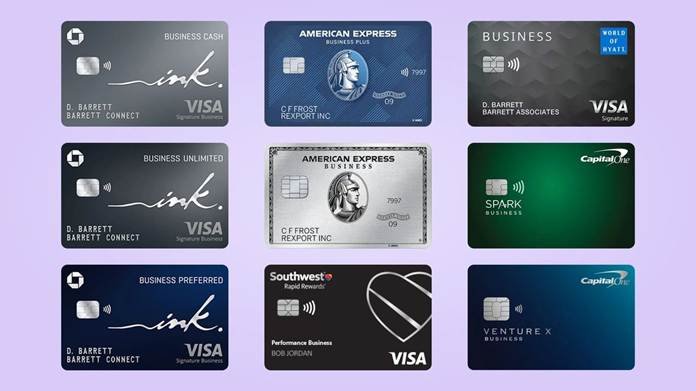
Image Source: CNN
Selecting the perfect miles and points credit card requires careful consideration of your travel goals, spending patterns, and preferred benefits. Each card offers unique advantages that can significantly enhance your rewards strategy.
Best credit card for miles and points in Canada
In Canada’s competitive credit card market, several cards stand out. The Scotiabank Passport Visa Infinite Card ranks as one of the most well-rounded travel cards, offering 3x points at Empire grocery stores and 2x points on dining, gas, and transit. The American Express Cobalt Card remains another strong contender, earning up to 5x points on grocery purchases. Ultimately, your ideal card depends on your spending habits and reward goals.
Evaluating welcome bonuses and annual fees
Following the “rule of three” helps determine if a welcome bonus justifies the annual fee—aim for a bonus value equal to at least three years of the card’s annual fee. For instance, if a card charges CAD 132.37 annually, seek a sign-up bonus worth at least CAD 397.11. Remember that point values vary significantly between programs, making direct comparisons challenging.
Personal vs business credit cards
Business cards typically offer higher credit limits than personal cards to accommodate larger company expenses. Plus, they often feature bonus categories geared toward business expenditures like office supplies, shipping, and transit. Notably, most issuers require a personal guarantee when opening a small business credit card account, meaning you remain personally liable for payments.
No foreign transaction fee cards
Standard credit cards charge approximately 2.5% on purchases made outside Canada. Cards like the Scotiabank Passport Visa Infinite Card eliminate this fee, saving substantial money during international travel. Beyond avoiding fees, many of these cards offer comprehensive travel insurance and airport lounge access, making them valuable companions abroad.
Maximizing Value and Building a Strategy
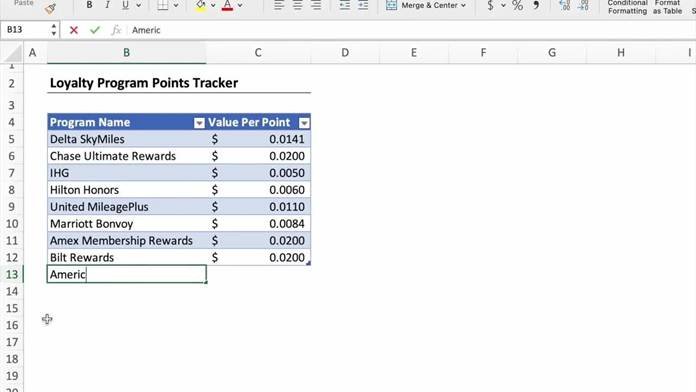
Image Source: Etsy
Building effective strategies transforms how you manage miles and points, turning scattered rewards into meaningful travel experiences. Creating a cohesive approach requires both tools and techniques to maximize every point earned.
Using a miles and points calculator
Determining whether to use points or cash for a particular booking remains challenging yet crucial. Point value calculators help make this decision by comparing your options based on real-world valuations. For instance, Air Canada’s Points Predictor tool shows estimated ranges needed for specific destinations, giving you certainty when planning. These calculators consider both the cash price and equivalent award fare, factoring in any associated fees to provide clear comparisons.
Tracking your credit card spend
Managing multiple rewards cards becomes infinitely easier with specialized tracking apps. Tools like AwardWallet display each program’s point balance alongside transaction history and available credits. Furthermore, MaxRewards analyzes spending patterns to recommend which cards maximize category bonuses, ensuring you’re earning optimally on every purchase. These applications eliminate the need for complicated spreadsheets yet provide comprehensive insights into your rewards ecosystem.
Combining points with a travel goal
Point pooling offers powerful advantages for families and couples. Aeroplan allows points pooling between household members sharing the same address, helping reach redemption goals faster. Capital, One offers perhaps the most flexible option—unlimited mile transfers to any cardholder without household restrictions.
Avoiding common beginner mistakes
Savvy travelers avoid several critical pitfalls. First, hoarding points indefinitely exposes you to devaluation risk—programs frequently change terms without notice. Second, failing to set specific redemption goals leads to accumulating points without purpose. Third, miscalculating point values by neglecting to factor in earnings from potential cash bookings results in overestimating redemption value. Finally, overlooking expiration policies can result in lost rewards—many programs invalidate points after 12-36 months of inactivity.
Conclusion
The world of miles and points offers tremendous opportunities for travelers willing to learn its intricacies. Throughout this guide, we’ve explored how these loyalty currencies function, their different types, and the surprising fact that earning them primarily happens through strategic credit card use rather than actual flying. Additionally, we’ve examined how welcome bonuses serve as the quickest path to building substantial rewards balances.
Smart redemption strategies truly set successful points collectors apart from casual participants. Business class flights, luxury hotel stays, and flexible travel options become accessible when you understand how to maximize value from each point or mile. Remember that points are a depreciating asset – their value tends to decrease over time due to program changes.
Your ideal strategy will likely combine multiple cards, shopping portals, and loyalty programs tailored to your spending habits and travel goals. Before applying for any credit card, carefully assess whether its benefits align with your needs and whether you can comfortably meet spending requirements. Subscribe to my newsletters to learn more about points and travel if you want to stay updated on the latest strategies and opportunities.
Miles and points can transform travel dreams into reality when used strategically. Rather than letting your rewards sit idle, develop clear redemption goals and work systematically toward them. After all, the ultimate purpose of accumulating these currencies is experiencing travel adventures that might otherwise remain financially out of reach. Start your points journey today, and soon you’ll find yourself enjoying premium travel experiences at a fraction of their cash cost.
Key Takeaways
Master the fundamentals of travel rewards to unlock premium experiences at a fraction of their cash cost through strategic earning and redemption.
• Credit card welcome bonuses are your fastest path to travel wealth – earn 75,000+ points just for signing up, far exceeding what regular spending provides over time.
• Focus on flexible transferable points over airline-specific miles – programs like Amex Membership Rewards protect against devaluations and offer multiple redemption options.
• Redeem strategically for maximum value, especially international business class flights – avoid merchandise redemptions and don’t hoard points indefinitely due to devaluation risk.
• Use category-specific cards to multiply your earning potential – match your spending patterns with bonus categories like 5x points on groceries or dining.
• Set clear travel goals before accumulating points – having specific redemption targets prevents aimless collecting and ensures you capitalize on opportunities when they arise.
The key to success lies in treating points as a depreciating asset that requires active management. Combine multiple earning strategies, track your progress with specialized tools, and remember that the ultimate goal is transforming everyday spending into extraordinary travel experiences.